

Fasting is an important spiritual and cultural practice in India and many parts of the world. Whether you observe fasts during Navratri, Ekadashi, Shivratri, or for personal health reasons, one common question often arises: Can we eat makhana in fast?
The simple answer is yes — makhana is one of the most commonly consumed and highly recommended foods during fasting. But there’s more to understand about why it is allowed, its health benefits, and how to consume it properly.
In this detailed guide, we’ll explore everything you need to know about eating makhana during fasting.
What is Makhana?(Can We Eat Makhana in Fast?)
Makhana, also known as fox nuts or lotus seeds, comes from the seeds of the lotus flower. It has been used in Indian kitchens and Ayurvedic practices fMakhana, also known as fox nuts or lotus seeds, is a highly nutritious and popular snack in India. It is derived from the seeds of the Euryale Fox plant, which grows in stagnant water bodies like ponds and wetlands. These seeds are harvested, dried, and then roasted to produce the light, crunchy snack we commonly call makhana.
Makhana has been a part of Indian diets for centuries, especially in regions like Bihar, which is one of the largest producers. It is widely used in traditional Indian cuisine, religious fasting (vrat), and Ayurvedic practices due to its numerous health benefits and sattvic nature.
The process of making makhana is quite interesting. The seeds are collected from the water, cleaned, and sun-dried. After drying, they are roasted at high temperatures, which causes them to pop—similar to popcorn. This popping process gives makhana its signature fluffy texture and mild, nutty flavor.
Nutritionally, makhana is considered a superfood. It is low in calories but rich in protein, fiber, and essential minerals such as magnesium, potassium, and phosphorus. It is also gluten-free, making it an excellent snack option for people with gluten intolerance. Additionally, makhana contains antioxidants that help fight free radicals and support overall health. Can We Eat Makhana in Fast?
Can We Eat Makhana in Fast?
Yes, You Can Eat Makhana During Fast
Makhana is allowed in most Hindu fasting traditions because:
- It is not a grain (grains are usually avoided during fasts).
- It is light on the stomach.
- It provides sustained energy.
- It aligns with satvik dietary principles.
During fasts like:
- Navratri
- Ekadashi
- Shivratri
- Janmashtami
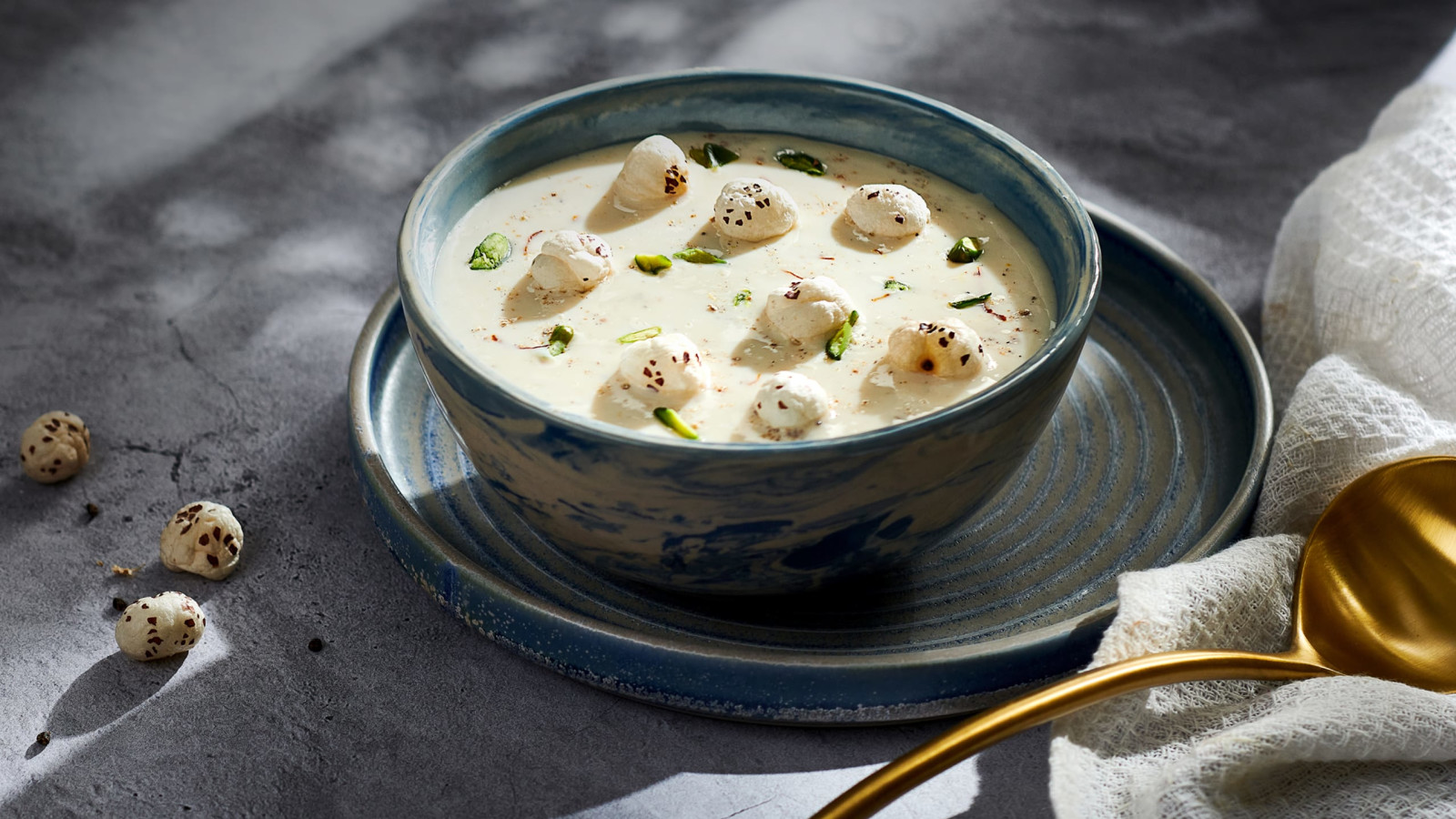
Makhana is commonly used in recipes like roasted makhana, makhana kheer, and makhana curry.
Why is Makhana Ideal for Fasting?(Can We Eat Makhana in Fast?)
1. Keeps You Full Longer
Makhana is rich in fiber and protein, which helps reduce hunger cravings during long fasting hours.
2. Maintains Energy Levels
Fasting can sometimes cause weakness. Makhana provides steady energy without causing a sugar spike.
3. Easy to Digest
Since digestion slows down during fasting, light foods like makhana are preferred.
4. Controls Acidity
It helps reduce acidity issues that people commonly experience during fasts.
5. Supports Weight Management
If you’re fasting for health reasons, makhana is low-calorie and supports weight control.
Nutritional Value of Makhana (Per 100g Approx.)
(Can We Eat Makhana in Fast?)
- Calories: ~350 kcal
- Protein: 9–10g
- Fiber: 7–8g
- Carbohydrates: 75g
- Fat: Very low
- Rich in magnesium, potassium, and phosphorus
This nutrient profile makes it a balanced fasting food.
Makhana vs Other Fasting Foods(Can We Eat Makhana in Fast?)
| Feature | Makhana | Sabudana | Fruits |
|---|---|---|---|
| Protein | High | Low | Moderate |
| Fiber | High | Low | Moderate |
| Keeps You Full | Long-lasting | Short-term | Medium |
| Easy to Digest | Yes | Sometimes Heavy | Yes |
| Weight Friendly | Yes | Not Always | Yes |
Why Makhana is Better Than Sabudana
Sabudana is high in carbohydrates and can spike blood sugar levels. Makhana, on the other hand, provides balanced nutrition and sustained energy.
How to Eat Makhana During Fast(Can We Eat Makhana in Fast?)
Here are some popular fasting-friendly ways:
1. Roasted Makhana
Dry roast with rock salt (sendha namak) and a little ghee.
2. Makhana Kheer
Cook makhana in milk with cardamom and dry fruits.
3. Makhana Curry
Made with vrat-friendly spices and ingredients.
4. Makhana Chaat
Mixed with peanuts and vrat chutney.
Who Should Be Careful?(Can We Eat Makhana in Fast?)
Although makhana is safe for most people:
- People with severe constipation should eat it in moderation.
- Those with kidney issues should consult a doctor.
- Always check with your family’s fasting rules, as traditions vary.
Why Choose Us for Quality Makhana?(Can We Eat Makhana in Fast?)
If you’re consuming makhana during fast, quality matters.
Premium Quality
We provide handpicked, farm-sourced makhana.
Hygienically Packed
Processed under strict quality standards.
Fresh & Crunchy
No stale or low-grade seeds.
No Additives
100% natural and fasting-safe.
Affordable Pricing
Premium quality at competitive prices.
Choosing high-quality makhana ensures better taste, nutrition, and digestive comfort during fasting.
Conclusion(Can We Eat Makhana in Fast?)
makhana (fox nuts) is an excellent and highly suitable food choice during fasting periods. Whether you are observing religious fasts like Navratri, Ekadashi, or other vrat traditions, makhana stands out as a nutritious, light, and energy-boosting option that aligns well with fasting guidelines. Its natural composition, versatility, and health benefits make it a staple in many Indian households during such times.
One of the primary reasons makhana is ideal for fasting is that it is considered a “satvik” food. Satvik foods are pure, light, and easy to digest, making them perfect for maintaining both physical and mental balance during fasts. Makhana is non-grain-based, which means it is allowed in most fasting rules where regular cereals and grains are restricted. This makes it a convenient alternative to heavier foods, helping you stay energized without feeling sluggish.
Nutritionally, makhana offers a wide range of benefits. It is rich in protein, fiber, and essential minerals like magnesium, potassium, and calcium. These nutrients play a crucial role in keeping your body nourished, especially when your food intake is limited during fasting. The high fiber content helps in maintaining digestion and preventing hunger pangs, while its low-calorie nature makes it a guilt-free snack. Additionally, makhana has antioxidant properties that support overall health and immunity.
Another important advantage of makhana during fasting is its versatility. You can consume it in multiple ways depending on your taste and preference. It can be roasted with a little ghee and rock salt for a quick and crunchy snack, or prepared as a kheer (sweet pudding) using milk and dry fruits for a more filling meal. You can also make light curries or mix it with peanuts and fruits to create a balanced fasting platter. This flexibility ensures that you don’t get bored with your fasting diet and can enjoy different flavors while still following the rules.Can We Eat Makhana in Fast?
Moreover, makhana is known for providing sustained energy. Unlike sugary snacks that cause sudden spikes and drops in energy levels, makhana releases energy slowly, helping you stay active and focused throughout the day. This is especially beneficial during long fasting hours when maintaining stamina can be challenging.
However, it is important to consume makhana in moderation. Overeating, even healthy foods, can lead to discomfort or digestive issues. Also, the way you prepare makhana matters—avoid excessive oil, salt, or sugar to keep it healthy and aligned with fasting principles.
Overall, makhana is not just allowed during fasting—it is highly recommended. It perfectly balances taste, nutrition, and tradition, making your fasting experience both satisfying and healthy. Including makhana in your vrat diet ensures that you stay nourished, energized, and spiritually aligned, making your fast more meaningful and manageable.
Frequently Asked Questions (FAQs)(Can We Eat Makhana in Fast?)
1. Is makhana allowed in Navratri fast?
Yes, makhana is completely allowed in Navratri fast.
2. Can we eat roasted makhana during Ekadashi?
Yes, roasted makhana with sendha namak is commonly eaten.
3. Does makhana break a fast?
No, it does not break traditional Hindu fasts.
4. Can diabetics eat makhana during fast?
Yes, in moderation. It has a low glycemic index compared to sabudana.
5. Is makhana good for weight loss during fasting?
Yes, it is low in calories and high in fiber.
6. Can we eat makhana kheer in vrat?
Yes, if prepared using vrat-approved ingredients.
7. Is makhana considered grain?
No, it is a seed, not a grain.
8. Can we eat makhana daily during fasting?
Yes, but in balanced portions.
9. Is makhana heavy on the stomach?
No, it is light and easy to digest.
10. Where can I buy the best makhana for fasting?
Choose a trusted supplier offering premium, natural, and hygienically packed makhana
11. Can we eat flavored makhana in fast?
Only homemade flavored makhana using fasting-approved ingredients is allowed. Avoid packaged ones with additives.
12. Is makhana heavy or light during fasting?
Makhana is light and easy to digest, making it ideal for fasting.
13. Can we eat makhana at night during fast?
Yes, makhana can be eaten anytime during fasting, including at night.
14. Does makhana break a fast?
No, makhana does not break a fast as it is fasting-approved.
15. Can we eat spicy makhana during fast?
Mild spices like black pepper are allowed, but avoid regular spices like turmeric and red chili powder.
16. Is makhana allowed in Jain fasting?
Yes, makhana is generally allowed in Jain fasting as it is non-root and plant-based.
17. Can we eat makhana daily during fast?
Yes, you can eat makhana daily during fasting in moderate quantities.
18. Is makhana good for weight loss during fasting?
Yes, makhana is low in calories and helps control hunger, aiding weight loss.
19. Can kids eat makhana during fast?
Yes, makhana is safe and healthy for kids during fasting periods.
20. What is the best way to eat makhana in fast?
The best ways include roasting in ghee, making makhana kheer, or mixing with dry fruits.